Kia Coolant System Service in Savannah, GA
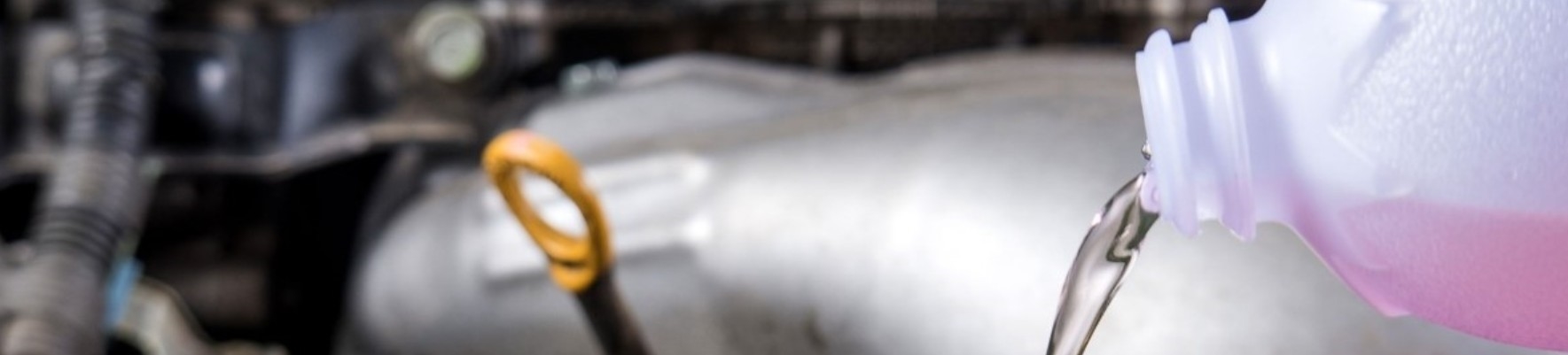
A cooling system that's losing ground rarely gives much warning before it costs you a repair bill
Coastal Georgia heat puts real strain on an engine's cooling system, and low or contaminated coolant is one of the fastest ways to turn a routine drive into a tow. Our technicians at Kia Country of Savannah check coolant condition, concentration, and system pressure to catch problems while they're still cheap to fix. We work on all makes and models, not just Kia, so your daily driver, your spouse's SUV, and your teenager's hand-me-down sedan can all be looked after in one place. Every visit starts with an actual diagnosis rather than a guess, because swapping parts at random wastes your money and doesn't always solve the problem. If your temperature gauge has been creeping up, if you've noticed a sweet smell after parking, or if it's simply been a while since anyone looked at your coolant, this is the service to schedule. Our goal is to get you back on the road with a system that's actually been verified, not just topped off.
What Your Cooling System Is Actually Doing
An engine generates enormous heat just from normal combustion, and the cooling system's only job is to move that heat somewhere it can be released safely. Coolant circulates through passages in the engine block, absorbs heat, then travels to the radiator where outside air pulls that heat away before the fluid heads back to do it again. It sounds simple, but the system only works if every component is doing its part at once.
The water pump is what actually moves the coolant, and it relies on a drive belt or timing chain to keep spinning at the right speed. The thermostat acts as a gatekeeper, staying closed while the engine warms up and opening once it reaches operating temperature. If any single part in that chain falls behind, the whole system loses efficiency, even if nothing appears to be visibly wrong.
- Radiator: releases absorbed heat into the outside air
- Water pump: circulates coolant through the engine and radiator
- Thermostat: regulates when coolant flows based on temperature
- Coolant reservoir: manages fluid expansion and provides a visual level check
- Hoses and clamps: carry coolant under pressure between components
Modern coolant is formulated for specific metals and seal materials, which is why mixing the wrong type can quietly cause corrosion long before a leak ever shows up. Manufacturers spend real engineering time choosing the right formula for each engine.
Many drivers assume coolant lasts forever once it's in the vehicle, but the additives that prevent corrosion break down gradually with heat cycles and mileage. A system that looks fine on the outside can still be running fluid that's no longer protecting the metal it touches.
Signs Your Coolant System Needs a Closer Look
A rising temperature gauge is the most obvious red flag, but it's usually the last symptom to appear, not the first. Sweet-smelling steam from under the hood, coolant puddles in the driveway, or a reservoir that keeps needing to be topped off are all earlier warnings worth paying attention to.
Heater performance is another clue people overlook. If the cabin heat feels weaker than it used to, or blows cool air even after the engine has warmed up, air trapped in the system or a failing thermostat could be the reason.
- Temperature gauge running higher than normal, especially in traffic or hot weather
- Coolant that looks rusty, cloudy, or has visible particles floating in it
- A sweet smell inside or outside the vehicle
- Visible drips or a growing stain under the front of the vehicle
- Weak cabin heat or unusual noise from the water pump area
Some issues develop slowly enough that drivers adjust without realizing anything's wrong, like getting used to a slightly warmer gauge reading on hot days. That kind of gradual drift is exactly what a scheduled inspection is built to catch.
Waiting until the gauge hits the red zone removes your margin for error. Scheduling a check at the first sign of a symptom, rather than after a full breakdown, is what keeps a coolant issue from turning into an overheated engine.
Coolant Services We Perform
From a basic top-off to a full system flush, our technicians handle coolant work for every make and model that comes through our doors.
Coolant System Inspection
We check fluid level, condition, and freeze/boil protection, then pressure test the system to look for leaks that aren't visible during a simple walk-around. Hoses, clamps, and the radiator cap get a physical inspection as well. This is the starting point for almost every coolant concern, whether it's a warning light or just routine peace of mind. We'll walk you through exactly what we find before recommending anything further.
Coolant Flush and Fill
Old coolant loses its ability to prevent corrosion long before it looks obviously dirty. A flush removes the depleted fluid along with any debris that's accumulated, then refills the system with coolant matched to your vehicle's specifications. This is one of the more overlooked maintenance items, but it protects the water pump, radiator, and heater core from long-term wear. We follow manufacturer-specific fluid requirements rather than a one-size-fits-all approach.
Leak Diagnosis and Repair
Coolant leaks can come from a cracked hose, a failing water pump seal, a warped radiator, or even a compromised head gasket. Our technicians use pressure testing and dye tracing to find the actual source rather than replacing parts based on a guess. Once we know exactly what's leaking, we'll explain the repair options and what each one involves. You'll always know the cause before you approve the fix.
Why We Diagnose Before We Recommend Repairs
It's tempting to assume an overheating engine automatically means a new water pump, but that's often not the case. Our process starts with pressure testing the whole system and checking coolant condition before any part gets replaced, because the actual cause isn't always the most obvious one.
We've seen vehicles come in for what the owner assumed was a bad radiator, only to find the real issue was a stuck thermostat that never opened the flow path. Replacing the radiator wouldn't have fixed anything, and the customer would have been back with the same overheating complaint a week later. A proper diagnosis avoids that entirely.
- Pressure testing to confirm exactly where a leak originates
- Coolant condition testing before recommending a flush
- Component-by-component checks rather than assumptions
- Clear explanations of findings before any work begins
Once a repair is complete, we retest the system under pressure to confirm the fix actually holds before the vehicle leaves our bay. That step matters just as much as the repair itself.
This approach applies whether you drive a Kia or something else entirely. Every vehicle that comes through our service department gets the same diagnosis-first treatment, and most inspections are completed same day with a scheduled appointment.
Coolant Service at Kia Country of Savannah
Our technicians work on the full current Kia lineup, from the Forte and K5 to the Telluride and Sorento, and each model has its own coolant specification and capacity that we confirm against the vehicle's VIN before starting any work. Using the wrong fluid type is a common mistake at general repair shops, and it's one we make a point of avoiding.
An inspection alone typically wraps up within an hour, while a full flush and fill usually takes a bit longer depending on how the system needs to be bled of air afterward. We'll give you a realistic estimate once we've seen the vehicle rather than a number pulled from a general guide.
- Coolant matched to manufacturer specifications, confirmed by VIN
- Pressure and leak testing equipment for accurate diagnosis
- Same-day service available for most inspections with an appointment
Find Kia Country of Savannah in Savannah, GA
Serving Savannah and the Surrounding Area
Drivers from across the greater Savannah area bring their vehicles to us for coolant system work, whether that's a quick inspection or a full leak repair. Our location makes it easy for owners throughout the region to get in and out without losing most of their day.
- Pooler, GA
- Richmond Hill, GA
- Garden City, GA
- Port Wentworth, GA
- Bloomingdale, GA
- Hardeeville, SC
- Rincon, GA
- Tybee Island, GA
Wherever you're driving in from, our team is ready to get your cooling system checked out and keep your commute worry-free.
Questions We Hear About Coolant Service
These are some of the questions our service advisors answer most often, no matter which make or model you're driving.
Q: How often should coolant be flushed?
Q: Is it safe to drive with the temperature gauge slightly elevated?
Q: Can I just add water instead of coolant if I'm low?
Q: What does a coolant inspection at your dealership actually include?
Q: Do you work on coolant systems for vehicles that aren't Kia models?
If your situation doesn't quite match what's listed here, give our service desk a call and describe what you're noticing. We'd rather talk it through than have you guess.
We're happy to help, whatever you're driving.
Book Coolant Service at Kia Country of Savannah
Coolant issues rarely improve on their own, and putting off an inspection usually means a small fix turns into a bigger repair down the road. Catching a slow leak or aging fluid early keeps the cost and the hassle to a minimum.
Every recommendation we make comes after an actual inspection, never a guess. You'll know what's wrong and what it takes to fix it before any work begins, so there are no surprises on the final bill.
You can schedule online in a few minutes, call our service desk directly, or simply stop by if your schedule allows. Whichever way works best for you, we'll get your cooling system checked out promptly.
Service Specials

Wild Card
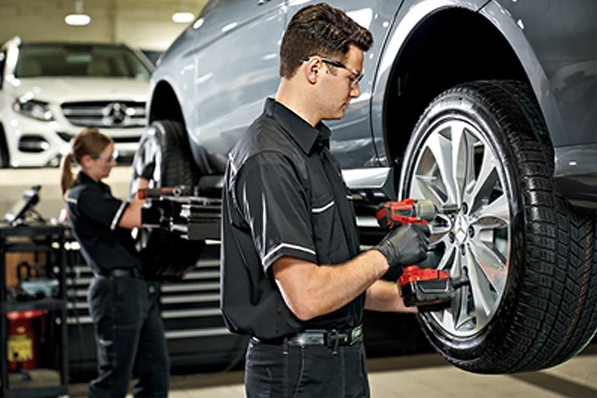
Tire Balance & Rotation
Properly balanced & rotated tires can improve tire life, gas mileage, ride comfort and uniform wear. Our Trained Technicians will balance, rotate and inflat
Read More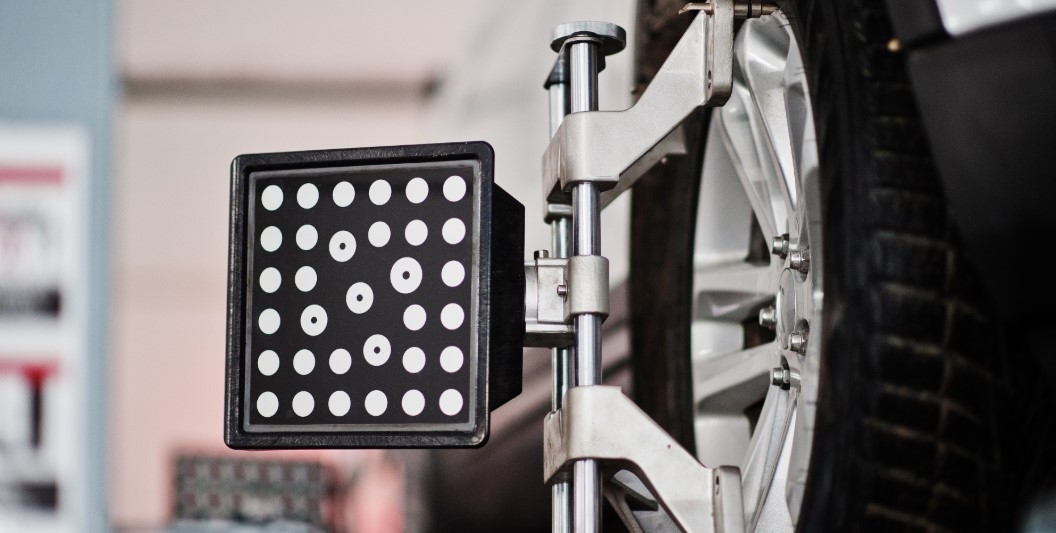
Four Wheel Alignment
Alignments are crucial to ensuring that you get the longest life out of your tires.

Front or Rear Brake Service
Replace front or rear pads, Inspect: discs, calipers, lines, hoses, cylinders, and master cylinder.
Wiper Blades Installed
With Purchase
Battery Installation
With the Purchase of a New Battery