Tire Service in Savannah, GA at Kia Country of Savannah

Worn tread costs you almost nothing until the pavement is wet
On dry asphalt, a tire with barely legal tread stops nearly as well as a new one, which is exactly why marginal tires feel fine for months. Add standing water and the picture changes fast, because shallow grooves cannot move enough water out of the way and the tire starts riding on top of it. Kia Country of Savannah runs tire service for drivers across Savannah, GA on all makes and models, from small sedans to full size trucks. Recommendations start with measurement rather than a glance, since tread depth at three points and the wear pattern across each tire tell you what is really going on. That approach also catches the alignment or suspension fault behind uneven wear, instead of selling a fresh set destined to wear out the same way.
How Tread Moves Water Out of the Way
A tire rolling through standing water has to displace that water in a fraction of a second, and the grooves molded into the tread are the channels that do it. Water enters at the leading edge of the contact patch, gets forced sideways and rearward through those channels, and exits behind the tire so rubber can meet pavement.
Depth is what determines how much water those channels can carry. As tread wears down, groove volume shrinks quickly, and at some speed the tire can no longer clear water fast enough and begins floating on a wedge of it. That is hydroplaning, and the speed at which it starts drops substantially as tread depth decreases.
- Circumferential grooves, the main channels running around the tire
- Lateral grooves and shoulder slots that push water out to the sides
- Sipes, the fine slits that give tread blocks biting edges on wet surfaces
- Tread compound, which controls how well rubber grips a damp surface
- Wear bars molded into the grooves, level with two thirty seconds of remaining tread
Tread depth gets measured in thirty seconds of an inch. A new passenger tire usually starts around ten or eleven, the legal minimum in most states is two, and wet stopping distance begins climbing noticeably once you drop below about five. That gap between legal and safe is why replacement typically gets recommended around four thirty seconds rather than at the wear bars.
Worth clearing up: a tire that looks fine from three feet away tells you nothing useful. Wear is often uneven across the width of the tread, so the outer edge can be nearly bald while the center still looks respectable. Only a gauge used at several points across each tire gives an honest picture.
Heat, Age, and Pressure End More Tires Than Nails Do
Underinflation is the leading cause of tire failure, and the mechanism is heat rather than the low pressure itself. A soft tire flexes more in the sidewall, that flexing generates heat, and sustained heat breaks down the bond between the rubber and the steel belts underneath. Highway speeds on a hot day accelerate the whole process.
Age works separately from mileage. Rubber compounds harden and develop fine cracks over years regardless of how far the vehicle has traveled, so a low mileage vehicle can be riding on tires that have lost meaningful grip. The four digit DOT code on the sidewall gives the week and year the tire was built, which is the only reliable way to know.
- A pressure warning that keeps returning at one wheel position
- Vibration through the steering wheel that shows up in a narrow speed range
- Bulges, blisters, or cuts anywhere on the sidewall
- Cracking visible between tread blocks or along the shoulder
- Any tire measuring four thirty seconds or less across a section of tread
Pressure lights confuse a lot of drivers because temperature moves the numbers. Pressure falls about one pound per square inch for every ten degree drop in ambient temperature, so a cool morning can trigger a warning on tires that hold air perfectly well. A tire needing air weekly is a different story and usually has a slow puncture, a corroded rim seat, or a failing valve stem.
Acting on a wear pattern early is where the savings live. Catching a toe misalignment at ten thousand miles costs an alignment, while finding the same problem at thirty thousand costs an alignment plus tires you would not otherwise have needed. A vibration or a pull is worth a same week appointment for that reason alone.
Tire Services Offered at Kia Country of Savannah
Inspection, rotation, repair, and replacement are handled for all makes and models under one roof.
Tread and Pressure Inspection
Every tire is measured with a gauge at the inner edge, the center, and the outer edge, because a single reading hides uneven wear. Pressures are checked cold against the door placard rather than the maximum figure stamped on the sidewall. Sidewalls get examined for cuts, bulges, and weather cracking, and DOT date codes are recorded so age is part of the conversation. Wear patterns are read for signs of alignment or suspension problems that would ruin a new set. You leave with the actual numbers written down rather than a verbal opinion.
Rotation and Wheel Balance
Rotation spreads wear across the set, which matters most on front wheel drive vehicles where the front tires steer, brake, and deliver power all at once. The pattern depends on your drivetrain, tire type, and whether the vehicle uses different sizes front and rear. Balancing corrects weight distribution around each spinning assembly and cures the vibration that turns up at highway speed. Wheels are torqued to specification with a wrench rather than run down with an impact gun. Tread depth at every position gets logged so you can watch the set progress between visits.
Repairs, Sensors, and New Tires
A puncture in the tread area is usually repairable, and doing it correctly means dismounting the tire and installing a patch and plug from the inside where the inner liner can be sealed. Sidewall and shoulder injuries cannot be repaired safely no matter how small they look, because those areas flex constantly. Pressure monitoring sensors are tested, serviced, and relearned whenever a tire comes off the wheel. New tires are mounted on equipment that protects the wheel finish, balanced, and matched to the load index and speed rating your vehicle requires. Options across several brands and price points get laid out with the measurements that justify the recommendation.
Finding the Leak Instead of Replacing Parts
A tire that keeps losing air has a specific cause, and finding it takes a few minutes with the wheel off the vehicle rather than a guess at the counter. The assembly gets submerged so bubbles reveal exactly where air is escaping, whether that is the tread, the bead seat, the valve stem, or the wheel itself.
This one comes up constantly around here. A driver arrives with a pressure light that returns every couple of weeks and has already been told the sensor needs replacing. In the tank, bubbles appear steadily all the way around the rim where the tire seals against the wheel, and the aluminum underneath has corroded from years of coastal humidity. Cleaning and resealing the bead seat fixes it permanently, and the sensor that was about to be replaced turns out to be working exactly as designed.
- Leaks located physically before any part is named as the cause
- Tread depth measured at three points per tire and written on your estimate
- Repairability judged by where the puncture sits, not by what is convenient
- Pricing and options presented before a single tire is dismounted
After tire work, wheels are torqued to the manufacturer figure in the correct sequence, and a retorque is recommended after the first fifty to one hundred miles as the wheel seats against the hub. Pressures are set cold, the monitoring system is relearned, and anything that came in with a vibration goes out on a road test to confirm it is gone.
Tire service covers all makes and models. Rotations, balances, and repairs are typically completed the same day with an appointment, while a less common size may need an extra day to arrive, and the advisor will tell you that up front rather than after you have committed.
Getting Fitment Right on Kia Models
Two vehicles wearing the same badge often need different tires. A Sportage on seventeen inch wheels and one on nineteens take entirely different sizes, and a Telluride or Carnival requires a higher load index than a Forte or Soul because of what it weighs and carries. The specification gets confirmed against the door placard and the VIN, which matters on used vehicles where a previous owner may have fitted something the car was never built around.
Electric models have requirements of their own. An EV6 or Niro EV carries battery weight that pushes load demands higher, and many come with low rolling resistance compounds and reinforced construction that affect both range and ride when substituted casually. Scheduling stays predictable: rotations and balances usually take under an hour with an appointment, a full set takes longer, and special order sizes are quoted with a realistic arrival date.
- Size, load index, and speed rating verified against the placard and VIN before ordering
- Pressure monitoring sensors serviced and relearned as part of any tire work
- Road force balancing available for vibrations that standard balancing cannot resolve
Find Kia Country of Savannah in Savannah, GA
Tire Work for the Wider Savannah Area
Afternoon downpours, standing water on low lying roads, and construction debris all shorten tire life around here, and drivers schedule tire work with us from across the region. We see vehicles regularly from:
- Garden City, GA
- Port Wentworth, GA
- Pooler, GA
- Rincon, GA
- Richmond Hill, GA
- Hardeeville, SC
- Bloomingdale, GA
- Wilmington Island, GA
Come in for a tread and pressure check and you will know exactly how many seasons your current set has left.
Tire Questions We Field Every Week
These come from drivers of every make and model, and the answers apply to whatever you happen to drive.
Q: How much tread do I need for wet weather?
Q: Can I mix tire brands or models on the same vehicle?
Q: My tires still have tread but they are several years old. Does that matter?
Q: What do you check during a tire inspection here?
Q: Do you sell and install tires for vehicles other than Kia?
If a light keeps coming on or something changed in how the vehicle rides, call the service desk and describe it. An advisor can usually tell you whether it needs attention today or can wait for a scheduled slot.
Tire questions rarely take more than a minute to sort out.
Set Up a Tire Appointment
A slow leak picks its own moment, and it is rarely a convenient one. Low tread behaves the same way, staying invisible until the first heavy rain makes it obvious.
Measurements come before recommendations here, and you see the numbers that support them. If your tires have another season in them, that is what you will be told.
Schedule online, call the service desk, or stop in and have a technician take a look. Rotations and repairs move quickly, and you leave knowing where every tire stands.
Service Specials

Wild Card
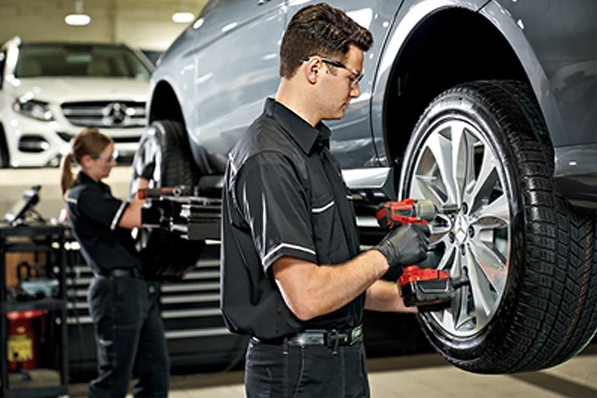
Tire Balance & Rotation
Properly balanced & rotated tires can improve tire life, gas mileage, ride comfort and uniform wear. Our Trained Technicians will balance, rotate and inflat
Read More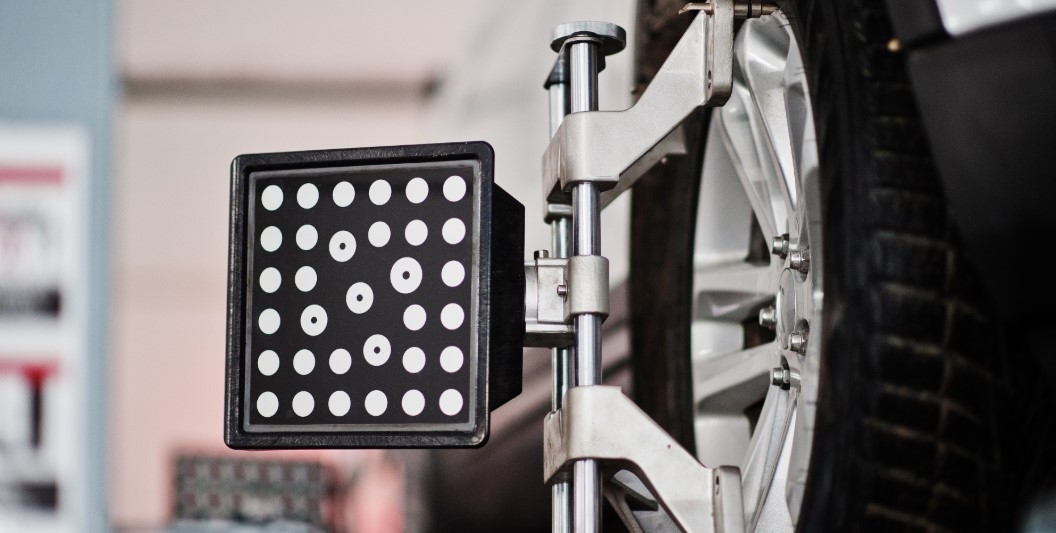
Four Wheel Alignment
Alignments are crucial to ensuring that you get the longest life out of your tires.

Front or Rear Brake Service
Replace front or rear pads, Inspect: discs, calipers, lines, hoses, cylinders, and master cylinder.
Wiper Blades Installed
With Purchase
Battery Installation
With the Purchase of a New Battery