Transmission Repair in Savannah, GA
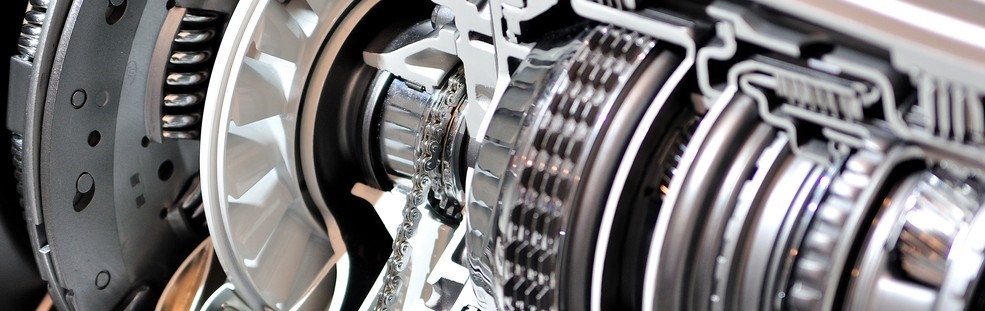
Heat is what ends most transmissions, and it builds up long before anything slips
Transmission fluid has a working temperature range, and every degree above it shortens fluid life dramatically. Summer traffic, towing, and long idles all push temperatures up, which is why a unit that never gets abused can still wear out early. Kia Country of Savannah diagnoses and repairs transmissions for drivers throughout Savannah, GA, and the shop takes all makes and models, not just the Kia lineup. Nothing gets opened up on a hunch here, because a scan tool, a fluid inspection, and a road test that reproduces your complaint usually separate an inexpensive external fault from genuine internal wear. That distinction is the difference between a solenoid and a rebuild, and it deserves to be settled with data.
Where Transmission Heat Comes From
The torque converter is the main heat source in an automatic. It transmits engine power through fluid rather than a solid connection, and any difference in speed between its two halves turns energy into heat. That is why heavy loads and stop and go driving generate far more heat than steady highway cruising, where the converter locks up and stops slipping.
Getting that heat back out is the job of the cooler circuit. Fluid leaves the transmission, passes through a cooler that is often built into the radiator, and returns. If that circuit is restricted or the fluid level is low, temperatures climb and the fluid begins oxidizing far ahead of schedule.
- Torque converter, which multiplies torque and locks up to reduce heat at cruise
- Clutch packs faced with friction material that grips when hydraulic pressure applies them
- Valve body and solenoids, routing pressure to engage the right gear
- The fluid itself, doing lubrication, hydraulic, friction, and cooling duty at once
- The cooler circuit and lines that carry heat away from the assembly
Fluid degradation follows a fairly predictable curve. As oxidation progresses, the friction characteristics shift, which changes how sharply the clutches grab and how quickly shifts complete. The control module compensates by adjusting pressure and timing through its adaptive learning, which is why a transmission often feels normal well past the point where its fluid stopped being ideal.
The phrase lifetime fluid has caused more confusion than almost anything else in this field. Most manufacturers do publish a service interval, and lifetime in engineering language refers to the design life of the unit rather than a promise that the fluid never degrades. Heat is the variable, and hot climates shorten those intervals rather than extending them.
Which Shift Complaints Need Attention This Week
What matters most is whether the behavior is new. A transmission that has always engaged with a slight firmness is showing you its character, while one that developed a hard bang into gear over the past month is telling you something changed. Recent changes are the ones worth acting on quickly.
Slipping sits at the top of the urgency list. When engine speed rises without matching acceleration, a clutch pack is failing to hold, and every additional mile grinds away friction material that then circulates through the valve body and contaminates the entire unit. That is the mechanism by which a repairable fault becomes a replacement.
- A pause of more than a second before the vehicle moves after selecting a gear
- Engine speed flaring between gears while acceleration lags behind
- Shifts that have recently turned harsh, jerky, or unpredictable
- A burnt odor, or fluid that has darkened and smells scorched
- A warning light with the transmission limited to a single gear
Some complaints that feel like transmission problems come from elsewhere entirely. A worn engine or transmission mount lets the powertrain move under load and produces a clunk that reads as a bad shift, an ignition misfire creates a shudder nearly identical to torque converter shudder, and a failing wheel speed sensor can cause the module to command shifts at genuinely wrong moments. Live data during a road test separates these quickly.
No repair on a vehicle rewards early attention quite like this one. The gap between a solenoid replacement and a replacement transmission is enormous, and what usually moves a vehicle from the first category to the second is months of driving on a known symptom. Getting it scanned when something first changes is the cheapest decision available.
Transmission Work Performed at Kia Country of Savannah
Diagnosis, fluid service, and repair are available for all makes and models, whatever your vehicle happens to be.
Scan and Road Test Diagnosis
Diagnosis begins with a complete scan of the transmission control module, pulling stored and pending codes plus the freeze frame data that captures conditions when the fault occurred. Adaptive learning values get reviewed because they reveal how much the module has already been compensating for wear. A technician then road tests the vehicle with live data on screen, watching line pressure, slip, gear commands, and fluid temperature under the conditions you described. Fluid is inspected for color, odor, and debris, and the pan may come down if contamination is suspected. You get an explanation of what is actually happening and a repair path with pricing before authorizing anything.
Fluid Service to Specification
These units are engineered around a specific fluid with a specific friction characteristic, so the correct product goes in rather than a universal substitute that can cause shudder or harsh engagement. Filters get replaced where the design includes a serviceable one, and the pan magnet is examined for accumulated metal that would signal internal wear. Level is set at the specified fluid temperature using the procedure for your vehicle, which matters because many transmissions have no dipstick and cannot be checked cold. Adaptive values are reset when the service calls for it so the module relearns on fresh fluid. If the fluid condition suggests damage a service will not solve, you hear that before paying for both.
Cooling, Sealing, and Component Repair
External repairs solve a large share of transmission complaints without the unit ever coming out. That covers solenoids, speed sensors, wiring harnesses, cooler lines, and the seals that let fluid escape and levels drop. Leaks are traced to the specific source with the vehicle on a lift rather than treated with an additive that masks the symptom. Control module software is checked against available updates, since manufacturers revise shift strategy to address the exact complaints owners report. When a unit genuinely needs replacing, the options and costs are laid out plainly so the decision stays yours.
The Cheapest Possible Cause Gets Ruled Out First
Transmission repair carries enough cost that working from the inside out makes no sense. The sequence here runs the other direction: software and known bulletins, then fluid level and condition, then external electrical and mechanical components, and only then anything requiring the unit to come apart.
An example shows how much that ordering matters. A vehicle arrived with a hard, banging shift from first to second that appeared suddenly, and the owner had already been quoted a rebuild elsewhere. Scan data showed no internal slip at all, but the adaptive learning values had been wiped, which happens when a battery is disconnected or replaced. Performing the relearn procedure and driving the vehicle through its adaptation cycle restored normal shift quality, and nothing inside the transmission was ever touched.
- Software updates and service bulletins reviewed before any mechanical work
- Complaints reproduced on a road test with live data rather than taken on description alone
- Fluid condition and pan debris weighed as diagnostic evidence, not used as a sales prompt
- Written estimates and your approval required before anything is disassembled
Every repair ends with the vehicle driven through the same conditions that produced the original complaint, scan tool connected, so shift quality and adaptation can be confirmed rather than assumed. Before and after data goes in your file. If the symptom comes back, the vehicle comes back into a bay.
Transmission diagnosis and repair are available for all makes and models. Most diagnoses are completed the same day with a scheduled appointment and fluid services usually finish within one visit, while internal repairs depend on parts availability and come with a realistic timeline instead of an optimistic one.
Three Different Transmission Designs Under One Badge
Knowing which type is in the vehicle changes the entire diagnosis. Models like the Forte and Seltos may use a continuously variable transmission, which holds engine speed steady during acceleration by design and alarms drivers who expect distinct gear changes. The K5, Sorento, and Telluride use conventional automatics with fixed ratios, and certain turbocharged models run a dual clutch design that engages with real clutches instead of a torque converter, giving it a slightly firmer feel at low speed. None of those characteristics is a fault, and mistaking one for a failure leads to repairs nobody needed.
Electric models sidestep the topic almost entirely. An EV6 or Niro EV drives through a single speed reduction gear rather than a shifting transmission, so shift complaints do not apply, though gear oil and driveline inspection remain part of routine care. Timing stays honest across all of it: diagnosis is generally same day with an appointment, fluid work typically completes in one visit, and larger internal repairs are scheduled around parts with an update as soon as availability is confirmed.
- Fluid type, capacity, and fill procedure confirmed by VIN for the specific transmission fitted
- Factory level scan tool access for module data, software updates, and adaptive resets
- Continuously variable, dual clutch, and conventional automatics all diagnosed in house
Find Kia Country of Savannah in Savannah, GA
Where Our Transmission Customers Drive In From
Bridge traffic, summer heat, and towing to the coast all raise fluid temperatures, and shift complaints reach us from well beyond the city. Vehicles come in regularly from:
- Pooler, GA
- Port Wentworth, GA
- Richmond Hill, GA
- Springfield, GA
- Garden City, GA
- Ellabell, GA
- Rincon, GA
- Hardeeville, SC
If the shifting has changed recently, have it scanned before the symptom writes a bigger estimate.
Transmission Questions Worth Asking Early
Owners of every make and model bring these to the counter, and the answers hold regardless of what you drive.
Q: How long should a transmission last?
Q: My vehicle is stuck in one gear. Can I drive it?
Q: Is it worth changing fluid on a transmission with high mileage?
Q: What is included in your transmission diagnosis?
Q: Will you work on a transmission in a non-Kia vehicle?
Describing the symptom over the phone genuinely helps. Tell the service desk when it happens, at what speed, and whether the engine is warm or cold, and an advisor can give you a sense of how urgent it is.
Early scans almost always cost less than late repairs.
Have the Symptom Diagnosed Before It Spreads
Transmissions are unusual in that continuing to drive on a fault actively enlarges it. Friction material shed by a slipping clutch pack travels through the valve body and turns a contained repair into a full replacement.
Everything here starts with evidence. Codes, adaptive data, fluid condition, and a road test come before any recommendation, and no internal work is proposed until the data supports it.
Book online, call the service desk, or bring the vehicle in and describe what changed. A technician will connect a scan tool and tell you what you are genuinely dealing with.
Service Specials

Wild Card

Tire Balance & Rotation
Properly balanced & rotated tires can improve tire life, gas mileage, ride comfort and uniform wear. Our Trained Technicians will balance, rotate and inflat
Read More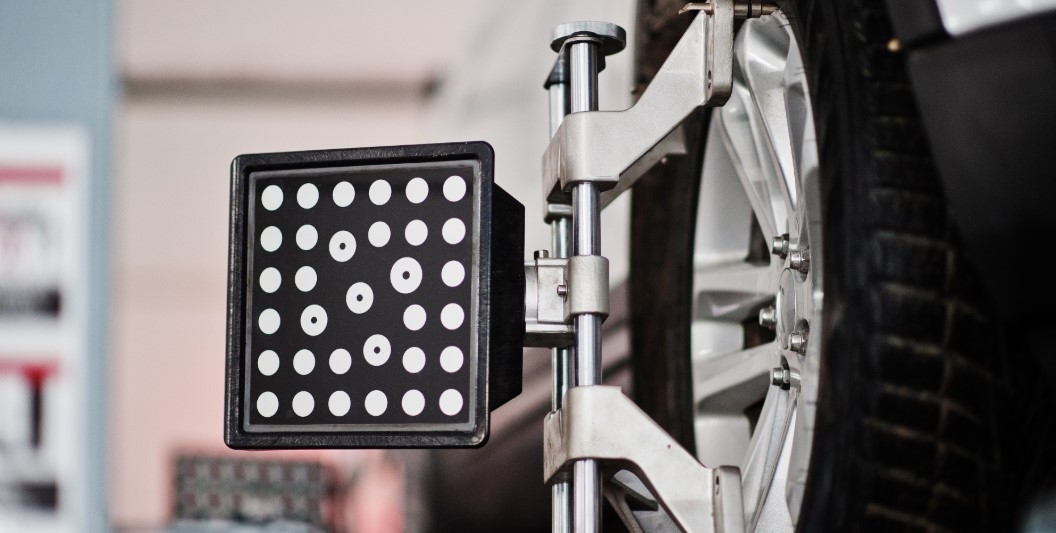
Four Wheel Alignment
Alignments are crucial to ensuring that you get the longest life out of your tires.

Front or Rear Brake Service
Replace front or rear pads, Inspect: discs, calipers, lines, hoses, cylinders, and master cylinder.
Wiper Blades Installed
With Purchase
Battery Installation
With the Purchase of a New Battery